

It can be: a 12-week comparative study published in Healthcare found no significant differences between telehealth and in-person groups in weight, body fat, or waist circumference when both received the same program. When virtual and in-person programs provide comparable clinical assessment, follow-up, nutrition and activity support, telehealth can produce similar weight-management outcomes. The right choice still depends on what your health history, symptoms, access to testing, and follow-up needs call for.
A direct comparison study of 62 adults found meaningful improvements in both formats over 12 weeks, with no significant differences between groups in weight, body fat, or waist circumference. In that study, 49% of telehealth participants and 45% of in-person participants lost more than 5% of their starting weight. That is useful evidence, not a guarantee for any one person. The quality of the medical review and the follow-up plan matter more than the screen between the patient and clinician.
What makes a weight-loss program effective
Neither format works simply because it is online or in an office. Effective medical weight management starts with a thorough history: current prescriptions and supplements, weight-related conditions, sleep, eating patterns, past treatment, pregnancy plans, and the practical realities that shape follow-through. A clinician then uses that information to decide whether nutrition changes, activity support, a prescription option, laboratory testing, another specialist, or a different starting point makes sense.
Follow-up is where a plan becomes useful. A review should look at hunger and fullness, side effects, regular meals, sleep, activity, weight trends when tracked, and any new health concern. If a medication is part of care, the clinician needs enough contact to judge benefit, tolerability, and whether a dose or the whole plan should change. A one-time questionnaire and a refill are not the same as ongoing care.
The care plan also needs a clear way to act on what comes up between visits. A patient who is unable to keep food or fluids down, develops a concerning new symptom, or has trouble with a medication needs a known route back to the clinical team. In either format, safe care means the patient knows what the routine check-in covers and what should prompt an earlier call.

What the telehealth comparison study found
The comparative study published in Healthcare followed 29 people receiving in-person obesity-management visits and 33 receiving video visits. Both groups received the same core program: individualized meal planning, goal setting, healthy-eating education, physical-activity discussion, and seven visits across three months. The delivery method changed, but the care model did not.
Both groups had significant reductions in weight, body-fat percentage, and waist circumference. The researchers reported no significant between-group differences in those outcomes. Telehealth participants attended 97% of counseling sessions, compared with 75% for the in-person group, while the in-person group had a higher dropout rate. Those details point to one practical strength of virtual care: removing travel and waiting-room time can make planned follow-up easier to keep.
The study also has limits. It was small, lasted 12 weeks, and studied a specific program and population. It does not prove that every virtual program is equal to every office-based program. A trustworthy comparison asks what the program actually includes, who is responsible for medical decisions, how concerns are handled, and what happens when the initial plan is not working.
It is also useful to notice what the researchers kept consistent. Both groups had repeated visits, individualized support, and a shared structure for food, activity, and goal setting. That makes the study more relevant to a patient choosing between delivery formats than to someone comparing a full medical program with a medication-only subscription. The format can influence access and attendance, while the clinical work determines much of what patients receive.
Telehealth works best when the clinical work stays thorough
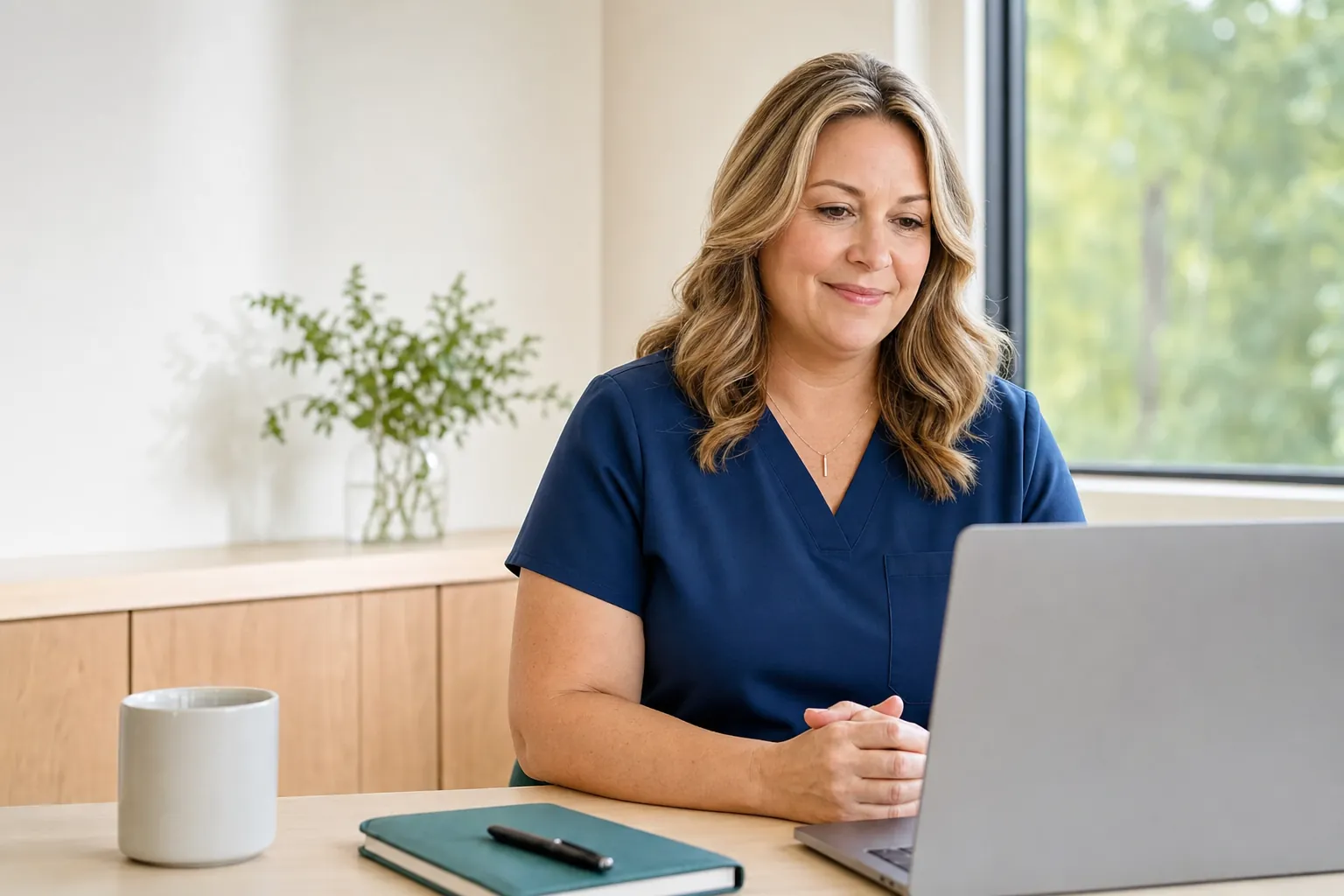
A telehealth visit can give a clinician time to review a detailed history, discuss treatment choices, interpret information the patient shares, order or review appropriate testing, and make a follow-up plan. It can also make care more accessible for people whose work, caregiving, mobility, distance, or transportation makes a clinic visit hard to arrange. The visit should still feel private, structured, and individual, not rushed.
Before a virtual appointment, gather a medication list, recent health information, insurance details, and the concerns you want to cover. If you weigh yourself or monitor blood pressure at home, bring the trend rather than focusing on one isolated reading. The clinician can decide what information is enough for a virtual decision and what needs to happen in person instead.
Virtual care is especially practical when follow-up itself is the barrier. A person may have a long commute, limited transportation, variable work hours, caregiving responsibilities, or a condition that makes travel harder. A reliable video appointment can protect the time needed for a careful review. It does not eliminate the need for laboratory testing, imaging, pharmacy visits, or emergency care when those services are indicated. It gives the clinician a way to coordinate the next step without turning every routine check-in into a trip.

In-person care has a different set of strengths
An office visit can be especially useful when someone needs a physical examination, hands-on measurements, urgent symptom assessment, or a local care team to coordinate testing and referrals. Some people also prefer the structure and personal connection of sitting in the room with their clinician. Those preferences matter because a plan only helps if the patient can realistically stay engaged with it.
In-person care is not automatically more complete, just as telehealth is not automatically less complete. A long drive and missed follow-up can weaken an otherwise strong office-based plan. A virtual program that skips history-taking or does not provide a way to address concerning symptoms can also fall short. The question is which format gives you reliable access to the assessment and follow-up you need.
A hybrid approach can also be sensible. A patient might begin with a virtual discussion, complete testing near home, and schedule an office visit if the clinician needs an examination or a new concern appears. Another patient may prefer office visits at the beginning, then use telehealth for routine follow-up once the care plan is established. The care format does not need to become a permanent identity. It can change as the patient’s needs change.
Questions that reveal the quality of either program
Start by asking who will evaluate your health history and make treatment decisions. Confirm how often follow-up happens, how the team handles side effects or a plan that is not helping, whether testing can be arranged when needed, and how prescription decisions are made. If cost or coverage will shape your decision, ask what information the practice can verify before the first appointment.
It is also worth asking what support exists beyond a prescription. Weight management often touches nutrition, sleep, activity, stress, other medicines, and health conditions. A useful program gives those factors a place in the conversation instead of treating them as an afterthought. Resolve reviews available medical and pharmacy benefits before the first appointment, and its insurance-verification process can help patients understand the questions still needing an answer.
Be cautious about programs that make a medication decision sound automatic or promise a result before a clinician has reviewed your health. A good first visit should leave you with a clearer picture of the next step, even when that step is more information, a different care setting, or a decision not to start a medication. Clarity is useful care, not a sales delay.
How Resolve offers telehealth weight-loss care in Georgia
Resolve offers one-to-one virtual medical weight-loss care for eligible adults anywhere in Georgia. The focus is a clinician-guided plan shaped by health history, lifestyle, goals, treatment options, and follow-up needs. Virtual care can be a practical way to begin the conversation without treating a prescription as the whole plan.
For a clearer view of what clinician-guided care can include, read about medical weight-loss care and why obesity medicine can matter. A person who needs in-person examination or another local service should have that need identified early, so the care format supports the decision instead of limiting it.
The most useful starting question is not simply, “Which format is better?” It is, “What information and follow-up do I need to make a safe, realistic decision?” For many Georgia patients, telehealth can make that conversation easier to keep. For others, an in-person or hybrid plan will provide the better foundation. A clinician-guided evaluation makes room for either answer.
Frequently asked questions
Can a telehealth clinician prescribe weight-loss medication?
A clinician may prescribe when it is appropriate and permitted for the patient’s situation, but a video visit is still a medical evaluation, not an automatic prescription. The clinician needs a complete health history, medication list, treatment goals, and a follow-up plan before deciding what is safe and appropriate.
When is an in-person weight-loss visit more useful?
An in-person visit can be the better starting point when a physical examination, hands-on measurement, urgent symptom assessment, or coordination with local testing and specialists is needed. The best format is the one that gives the clinician enough information to make a sound decision and gives the patient realistic follow-up.
What should I prepare for a telehealth weight-loss appointment?
Have your current medications, supplements, health history, recent weight trend if you track it, insurance information, and goals ready. Choose a private place with reliable audio and video, and write down the questions that would make the visit feel useful.
Related posts
Weight Loss Injections in Georgia
Questions that shape a safe, clinician-guided treatment decision.
Read the article →
Phentermine Alternatives
How to compare prescription options with a clinician.
Read the article →This article is for general education and does not replace medical advice from a clinician who knows your health history.